ServicesSiding
Siding Repair and Replacement in Crestview Hills
We fix cracked, loose and warped siding, and we replace it when the wall behind it needs help. Before we suggest anything, we check the sheathing, wrap and flashing, then show you photos so you can decide with the facts in front of you.
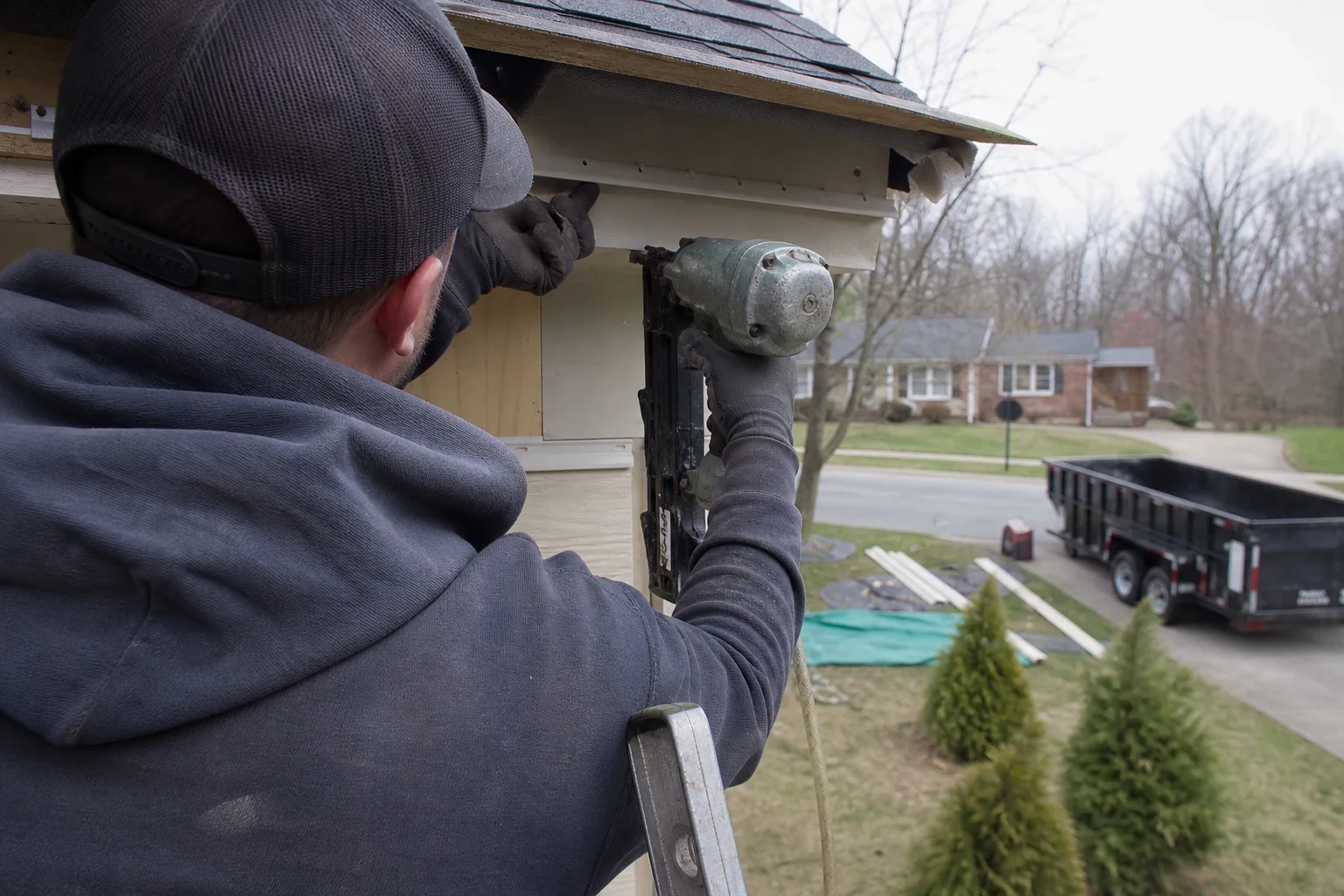
When Siding Needs a Repair and When It Needs Replacing
Siding is the outer skin that keeps rain and wind off the framing of your home. When a few panels crack or blow loose, a repair usually does the job. When the wall behind has gone soft, or the old panels are brittle, faded and no longer made, new siding is the better use of your money.
Plenty of homes around Crestview Hills were sided in vinyl or aluminum decades ago, often right over the original wood. Trouble tends to hide where you can't see it: behind window trim, at the bottom courses and where a roof meets a wall. So we lift a few panels and look before we give you an answer.
Because we also handle roofing and gutters, we pay attention to where the water comes from. A gutter that spills down a wall will ruin new siding as fast as it ruined the old.
What Our Siding Work Includes
Panel and board repair
We replace cracked, holed or loose pieces and match the profile and color as closely as we can. Older colors are sometimes discontinued, and if that's the case we tell you before any work starts.
Full siding replacement
We remove the old siding, inspect the wall, and install new panels with the right spacing and nailing so they can move with the seasons.
Sheathing and house wrap
Soft or rotted sheathing gets cut out and replaced. New wrap is lapped top over bottom so any water that slips behind the siding runs out instead of in.
Flashing at windows, doors and roof lines
We flash openings properly and add kick-out flashing where a roof edge dies into a wall, one of the most common spots for hidden rot.
Trim, soffit and fascia
We replace or wrap worn trim and can install vented soffit to help your attic breathe.
Cleanup each day
Scraps are hauled off, and we run a magnet over the lawn and driveway for stray nails.
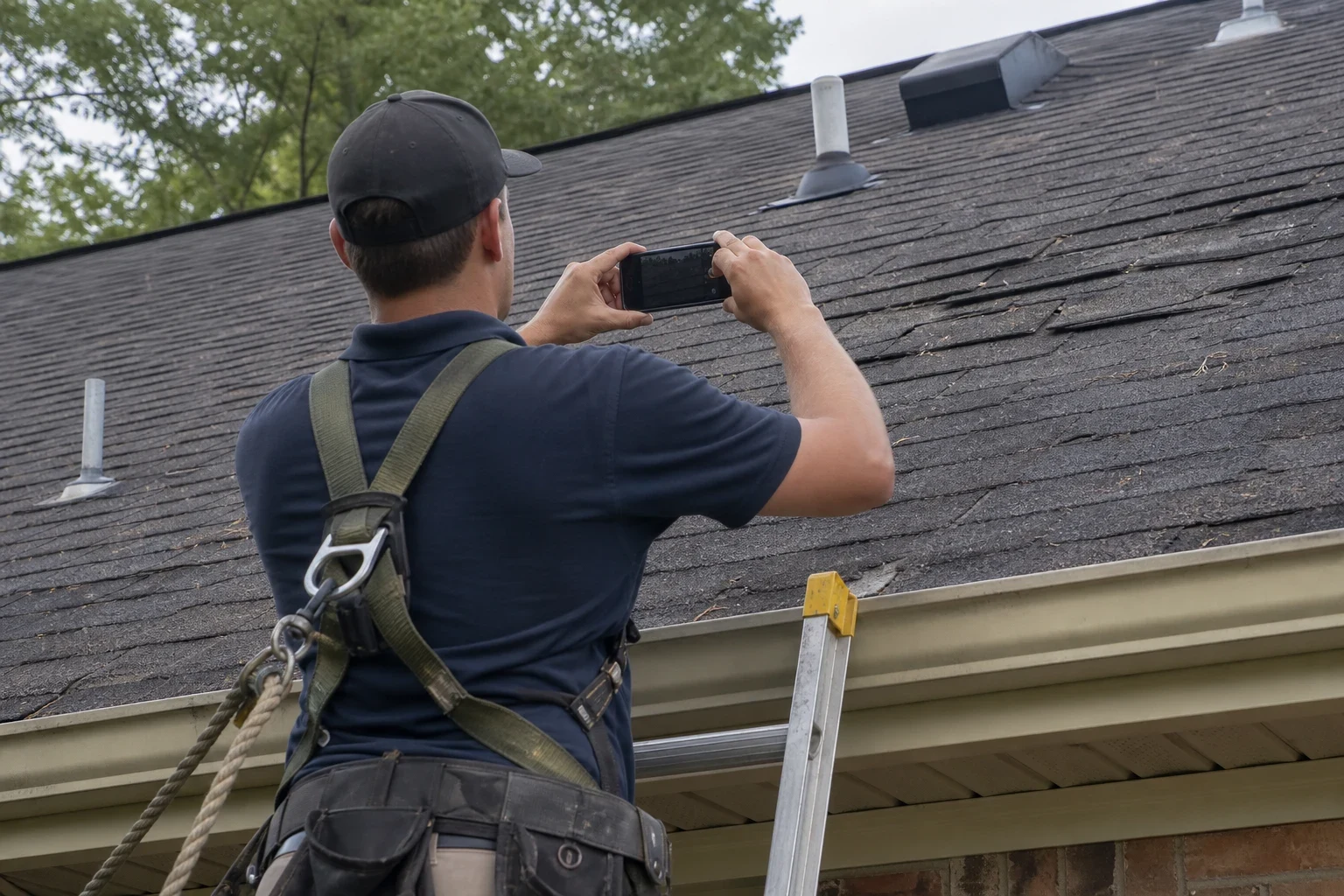
Signs Your Siding Needs Attention
- Warped or buckled panels
- Vinyl that was nailed too tight can't expand on hot summer days, so it bows outward. Once a panel warps, it rarely lies flat again.
- Cracks and holes
- Hail, mower stones and hard freezes all leave marks, and cold makes older vinyl brittle. Even a small crack lets water reach the wrap.
- Soft spots or rot
- Press on the bottom courses and around windows. If the wall feels spongy, or paint is peeling on the inside of an exterior wall, moisture is getting through.
- Loose or missing pieces after wind
- Panels that rattle or have blown off leave the wall open, and the pieces next to them usually follow.
- Streaks and stains under rooflines
- Dark streaks or mildew below a roof edge or gutter often point to an overflow or a missing flashing, not just dirty siding.
How a Siding Job Goes
- 1
Free estimate at your home
We walk every wall, check for soft spots, lift a few panels where trouble usually starts, and take photos of what we find.
- 2
Your options in writing
You get a line-item estimate that explains whether repair will hold or replacement makes more sense, along with material and color choices.
- 3
Prep and protection
If the job needs a permit, we pull it. On work day we cover plantings near the walls and ask you to move grills and patio furniture, and we let you know when the noisy part starts.
- 4
Installation, one wall at a time
We open and close each wall in order so your home is never left exposed overnight. Wrap, flashing and trim go in before the new panels.
- 5
Walk-through and cleanup
We walk the finished job with you, point out anything we changed along the way, and leave the yard swept.
What Affects the Cost of Siding
Every house is different, so we price siding after we've seen your walls, not before. The biggest swings come from what's hiding behind the old panels and how much of the house needs work. Your written estimate shows each item so nothing shows up later as a surprise.
- Wall area and height
- More square footage means more material and labor. Two-story walls and steep lots need extra staging and time.
- Condition of the sheathing
- Sound sheathing keeps the job simple. Rotted boards have to be replaced before new siding goes on, and we show you photos of any we find.
- Material and profile
- Standard vinyl, thicker insulated vinyl and fiber cement each cost and wear differently. We explain the tradeoffs for your home.
- Trim, openings and details
- Lots of windows, corners, gables and soffit runs add labor and flashing.
- Layers coming off
- Removing one layer is quicker than removing vinyl that was installed over the original wood siding.
Siding Questions We Hear Often
- Can you match my existing siding for a repair?
- Often, yes. We bring samples and compare profile, exposure and color right at your wall. If your siding has faded or the color is discontinued, the new pieces may look slightly different, so we'll talk about options such as moving original panels from a less visible wall to the front.
- Do I have to replace all of my siding?
- No. If the damage is limited to a few areas and the wall behind is sound, a repair is usually the sensible choice. We recommend full replacement only when the panels are failing across the house or the sheathing needs work in many places.
- Can new siding go right over the old?
- We usually advise against it. Covering old siding hides rot and flashing problems instead of fixing them, and it can make window and door trim look sunk in. Taking it off lets us see and repair the wall.
- How long will the work take?
- Most repairs are finished in a single visit. A full replacement takes longer and depends on the size of your home, how much sheathing needs work and the weather. We give you a realistic schedule with your estimate.
- Is siding work possible in winter?
- Much of it is. Vinyl gets stiff and can crack when it's handled in very cold weather, so we plan installation around the coldest days and keep you posted if the schedule shifts.
- Will you check my gutters and roof edge too?
- We look at them during the estimate because they affect how long siding lasts. If we see an overflowing gutter or missing kick-out flashing, we'll point it out and explain it, and you decide whether to address it.
Let's Take a Look at Your Walls
We'll check the siding and what's behind it, show you photos and explain your options in plain words. There's no charge for the estimate.